
While the Covid-19 pandemic demanded that we quickly adapt to digital learning, it is estimated that “some 2.2 billion people below the age of 25 do not have internet access at home. The bigger percentage of these are young girls and women especially in rural areas.
Over the years, Uganda has made tremendous progress in the Education of girls. This has been a big contributing factor in the reduction of early marriages and teenage pregnancies in the different communities . The Herbert Amanya Bursary scheme has 41 children in total, 18 of whom are girls . However, with the prolonged disruption of school due to the Covid-19 pandemic, many girls have been at risk of sexual assault from different members at home and within their communities. In a Daily Monitor article published on July 23, 2021, it was reported that Luweero hospital registered close to 1400 teenage pregnancies between June 2020 and June 2021.
According to a 2021 UNESCO Global Education Monitoring Report, it is projected that 11 million girls might not return to school after the disruption brought about by the Covid-19 pandemic. Girls aged 12-17 are at particular risk of dropping out of school in lower income countries like Uganda.
The 2021 theme for The International Day of The Girl Child is “Digital Generation, Our Generation”, the focus being on amplifying the diversity of the different girls who are trail blazers in the world of tech while also widening the pathways so that every girl, regardless of race, gender, language, ability, economic status and geographic origin – lives their full potential.
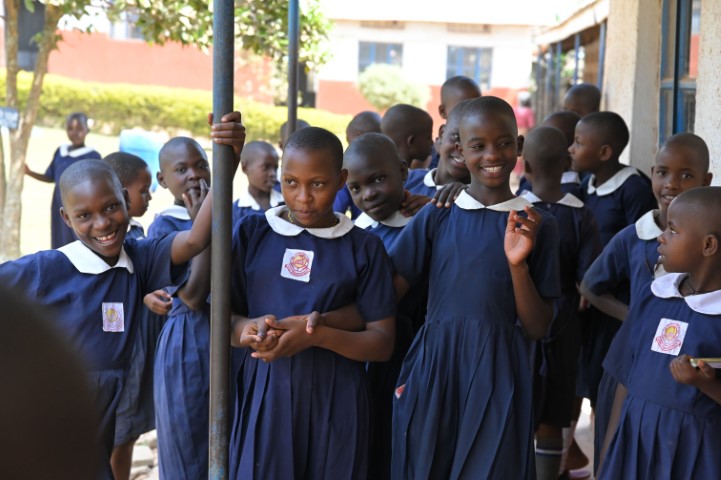
Where does the average Ugandan teenage or adolscent girl fit in all of this? What are the systems in place to lessen the gender gap in the area of technology? With the low vaccination rate in Uganda and the schools still closed, what does a digital generation mean for a teenager in Lyantonde? Will they be part of the revolution or should they wait for another cavalry?
To them, widening the pathways would mean that more girls have access to Education even amidst the uncertainty of the Covid-19 pandemic. It might mean exposure to a world beyond their rural communities so that they can dream bigger. It might mean more local innovations specific to the problems faced by their communities and peers. It might mean a future where the girls have options beyond being married off at a young age or prostitution to fend for their familes.
This International Day of the Girl Child, what can you do to lessen the digital gap between the genders and in particular in rural areas?